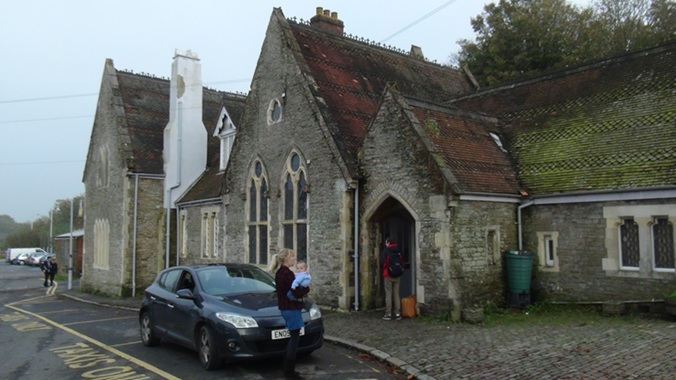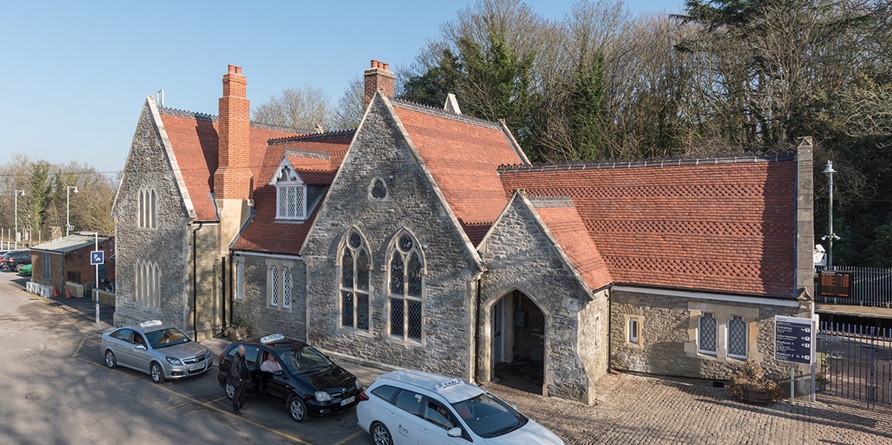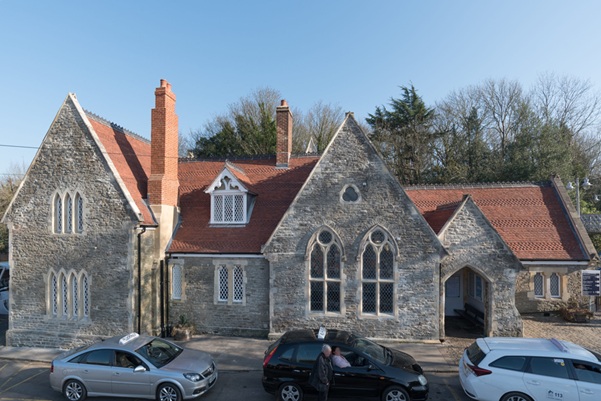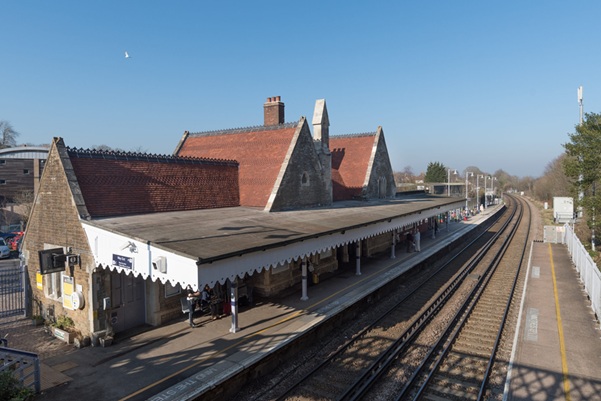
Relevant Experience and Contract Example: Battle Railway Station (Grade II Listed)
- Project Name & Description
Project Name: Battle Railway Station Refurbishment
Description: Comprehensive refurbishment and conservation of the Grade II listed Battle Railway Station, enhancing its structural integrity, historical aesthetics, and operational functionality. The project encompassed complex conservation efforts while maintaining full operational capacity for rail services.
- Approach to Delivering in Line with Programme
- Planning and Coordination: Delivered on time and within budget through meticulous scheduling, close collaboration with Southeastern Railways, and phased works during pre-approved track possessions.
- Minimising Disruption: The station remained fully operational throughout, with works carefully sequenced to avoid service interruptions or station closures.
- Risk Mitigation: Regular risk assessments and stakeholder engagement ensured smooth execution, meeting programme milestones and maintaining safety standards.
Additional Details
- a) Work Undertaken
The following works were completed:
- Structural and Elevational Work:
- Installation of full elevational scaffolding and temporary roof.
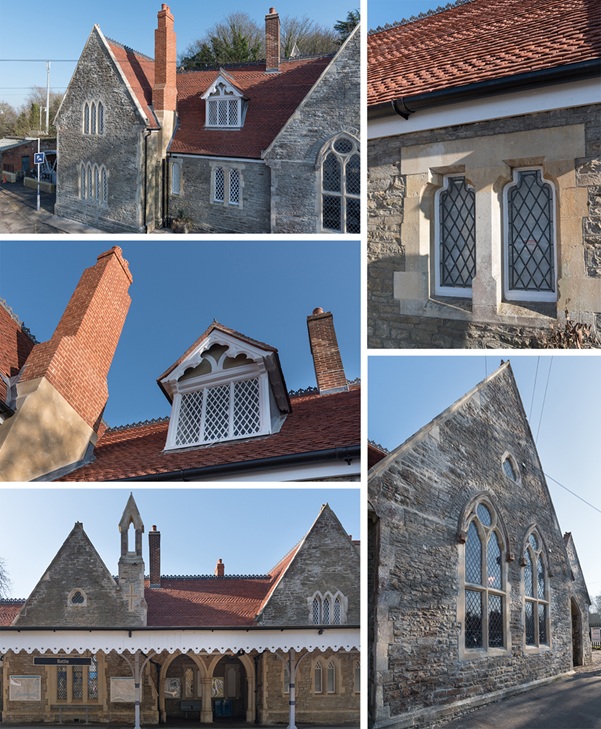
- Structural surveys and rebuilding of two chimneys.
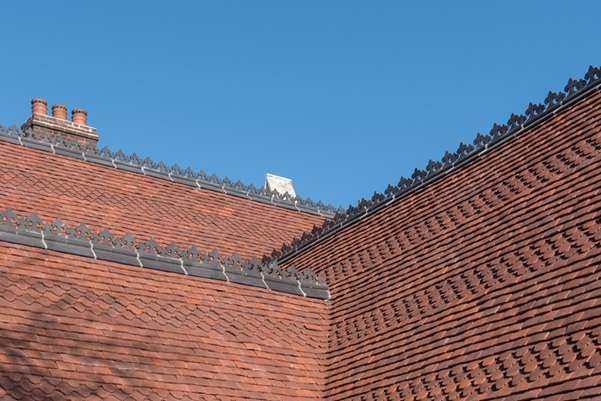
- Replacement of roofing with bespoke Wealden clay tiles.
- Replacement lead to all abutments and specialist stone surveys, including replacing, repointing, and conserving architectural features.
- Environmental and Safety Measures:
- Asbestos roof removal and lead paint abatement.
- Careful removal of a live beehive with the preservation of bees.
- Clearance of invasive vegetation, including Japanese knotweed.
- Cosmetic and Functional Improvements:
- DOFF cleaning to restore stained elevations.
- Refurbishment of leaded light windows and canopy repairs.
- Full external redecoration and new second-fix joinery.
- Specialist landscaping to improve station surroundings.
- b) Challenges, Solutions, and Lessons Learned
- Challenge: Conserving the historical fabric while ensuring safety and compliance.
- Solution: Engaged experienced conservation specialists and collaborated with the local listed building officer for approval and oversight.
- Lesson: Early involvement of conservation experts and open communication with stakeholders prevent delays.
- Challenge: Maintaining station operations during construction.
- Solution: Phased scheduling and line blockages coordinated with our in-house COSS team ensured no disruption to rail services.
- Lesson: Proactive planning and stakeholder engagement are critical to minimising operational impacts.
- Challenge: Environmental hazards like asbestos and invasive vegetation.
- Solution: Partnered with licensed asbestos removal experts and implemented eco-friendly solutions for knotweed removal.
- c) Innovation, Value, and Service Improvements
- Innovation: Bespoke Wealden clay tiles were manufactured to replicate original roofing, maintaining historical authenticity while improving durability.
- Value-Added: Conservation work enhanced the station’s architectural integrity, increasing its lifespan and public appreciation.
- Service Improvements: Delivered a zero-disruption approach, ensuring no station closures or delays, earning client commendations.
- d) Awards and Recognitions
- Craft Expertise Award, National Railway Heritage Awards 2019 (Winner).
- Highly Commended, Sussex Heritage Awards 2019.
- Nominated, RICS Awards 2020 for Infrastructure.
This project showcases our ability to manage design teams, coordinate complex conservation efforts, and deliver high-quality refurbishment works within time and budget constraints, making it an exemplary fit for the technical and professional ability criteria.
Challenges:
Roof tiles:
25% of the roof was reclaimed. Interestingly, the 25% that was reclaimed were actual original tiles as it appears that the roof was largely replaced sometime shortly after the war. These post-war tiles were of poor construction (and installation!) and were not as refined or lasting as the original tiles. The originals were all gathered together, cleaned and re-installed on the northernly pitch where they can be easily accessed for maintenance. All new tiles were manufactured bespoke to match the profiles of the original tiles and were hand-made using Wealden clay procured from a supplier no less than 5 minutes from the project (he just happens to be one of only two suppliers that still work with Wealden clay). They were then re-coursed based on the layout of the original still in situ pitches and not as per the coursing of the 1960s tiles that were in varying degrees of correctness.
Stonework:
The building is mixture of Kentish ragstone, Bath, local sandstone and some fine examples of Caen stone. We managed to discover a Caen stone crucifix hidden by layers of cementitious render. We carefully removed the cement by hand and then repaired the stone with a mixture of reconstituted Caen mix to restore it to how it would have looked when it was first built. The Caen crucifix to me looks as though it is spoila and could have been reclaimed from another structure in the mid-1800s – perhaps from a church that has since been cleared and forgotten? But that is just my opinion based on how well it is carved and the patination of the stone face.
Bees:
The north chimney as you know had a huge bees’ nest inside. The chimney was unstable and had to be rebuilt. Many options were looked at including killing the bees as they were starting to sting our workers. The decision was therefore taken by us and Southeastern Rail to be ethical with the preservation of the hive and have specialists carefully remove it. The site was then closed down for two days as the specialists carefully extracted all bees. Some 3,000 bees were relocated to a bee hospital where they were paired with a small hive that had also been saved that week from the Cotswolds. The Queen from Battle assimilated the small hive from the Cotswolds into her own while in the bee hospital and then a member of the bee removal team has adopted the whole hive and relocated them successfully to his home near Guildford. The Queen has already laid a further 2000 eggs and together the hive has produced 29 jars of honey.
Live rail environment:
One of the largest challenges of this project was trying to undertake very sensitive conservational repairs to what is a live railway station. The gothic styled layout of the building makes erecting scaffolding problematic and the design had to be revised to take careful consideration of not only the unusual layout of the building but to also protect the passengers below. In the end, a combination of day teams and night teams were deployed to ensure the station lost no operational days whatsoever with no closures of the platforms or booking hall whatsoever.
Subcontractors:
Scaffolding & Scaffolding Design: WBM Scaffolding UK Ltd
Roofing & Leadwork: Clark (Sussex) Roofing Ltd
All other works were undertaken in-house